
2027 Lexus ES Hybrid vs EV Buyer Comparison
 Evan Simms
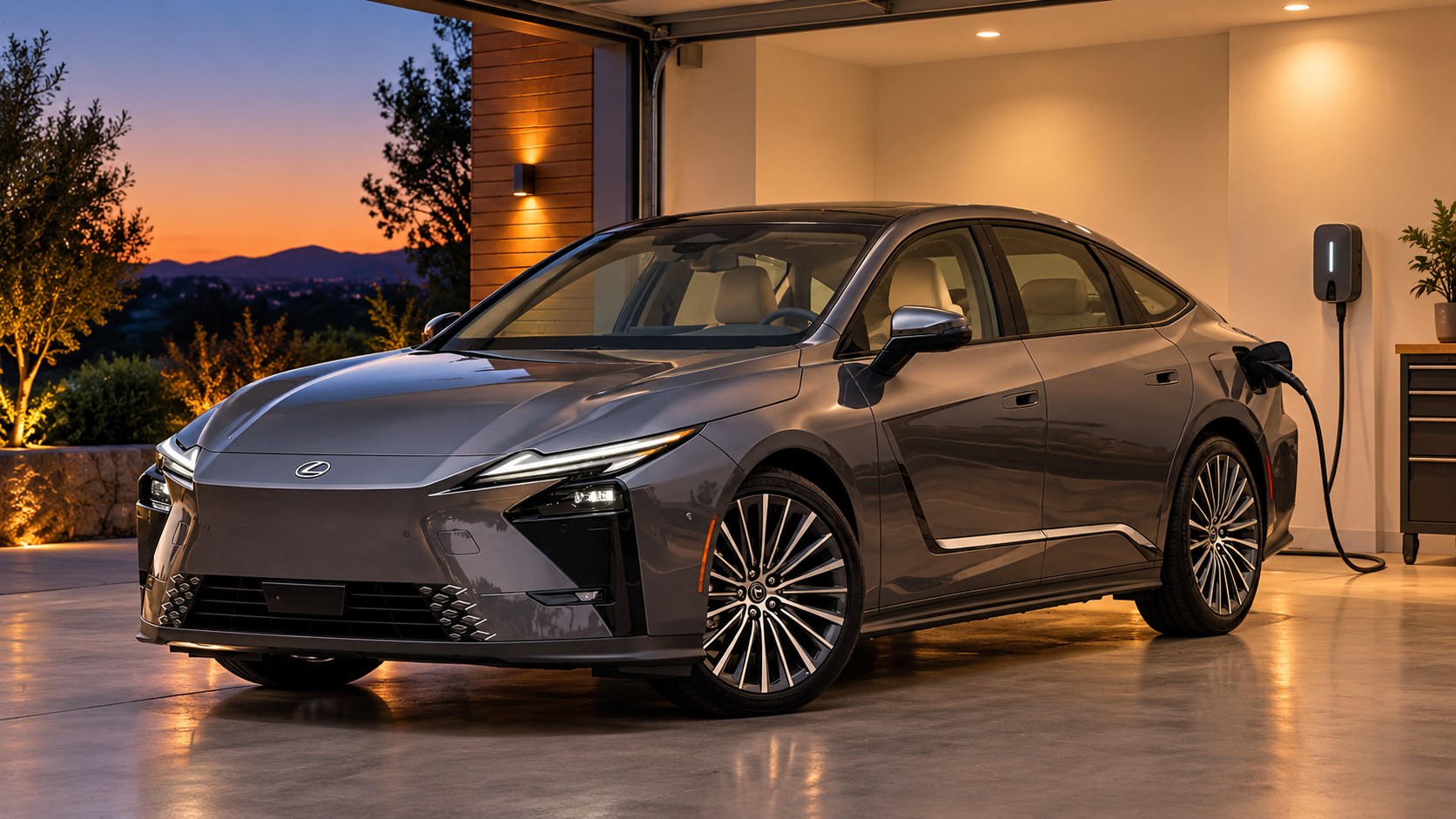
Lexus made a bold call with its longest-running nameplate. The 2027 ES drops the gas-only option entirely, so every buyer now picks between a hybrid and a fully electric sedan. The two look almost identical and share the same roomy cabin. The right one for you comes down to how you drive and what you want to spend.
- The 2027 Lexus ES comes in four versions: two ES350h hybrids, the front-drive ES350e EV, and the dual-motor ES500e.
- The hybrid earns up to 46 mpg combined, and the EVs offer up to 307 miles of range with a 10 to 80 percent charge in 28 minutes.
- Space, styling, and cabin quality barely change between them, so cost and charging access usually decide it.
The ES has been part of Lexus since the brand launched in 1989. The LS flagship is ending production after 37 years, so the ES is now the oldest name in the lineup and, for now, the brand’s top sedan. Lexus also tried something new here. This is the first Lexus EV built on a platform it shares with a hybrid.
You can spot the difference if you know where to look. The hybrid has a small cooling slot up front and a gas cap at the rear. The EV wears a smooth, flush nose and puts its charge port at the front. Passenger room and cargo space are the same, with 13.3 cubic feet in the trunk.
How the Hybrid and EV Numbers Stack Up
The ES350h makes 244 horsepower and 173 lb-ft of torque with front or all-wheel drive. The AWD model reaches 60 mph in 7.1 seconds, a bit quicker than the 7.3 seconds for front drive. Efficiency is its big selling point. EPA ratings come in at 48 city, 44 highway, and 46 combined for the FWD car, and 47/42/44 for AWD.
The ES350e is the closest electric match. It makes 221 horsepower but more torque, at 198 lb-ft, and it gets to 60 in 7.4 seconds. On paper it’s slower. On the road it feels quicker, because the hybrid only reaches full power once the engine and motor are both working hard. The EV responds right away, which you’ll notice on highway ramps and two-lane passes.
If you want real speed, look at the dual-motor ES500e. It puts out 338 horsepower and hits 60 in 5.1 seconds, two full seconds ahead of the hybrid. Both EVs use a 74.7 kWh battery. The ES350e is rated for up to 307 miles, while the ES500e drops to 276. A built-in NACS port handles fast charging, and Toyota says a 10 to 80 percent top-up takes 28 minutes.
Behind the Wheel and Inside the Cabin
An ES has always had one job. It should feel calm, plush, and easy to live with, and neither version strays from that. The seats are excellent, and the cabin feels carefully built in both models.
The ES350e has earned praise for being quiet and spacious, and for its light-up bamboo door trim. Critics have also pointed out some weak spots. Fast charging feels slow, and there’s no one-pedal driving mode.
Tech is the same across the lineup. Lexus says every ES gets its newest Lexus Interface multimedia and connectivity system, along with Lexus Safety Sense+ 4.0.
Where Cost Tips the Scale
The two versions are this close on space, comfort, and features, so money usually settles it. The ES350e starts at $48,895. The hybrid has its own advantages. You don’t need a charger, a fill-up takes minutes, and 46 mpg keeps fuel bills low. The EV makes the most sense if you can charge at home and your daily driving fits comfortably within its range.
Shoppers face this same tradeoff well outside the luxury class. Anyone comparing a Kia Niro EV against a fuel-sipping hybrid crossover is weighing where they’ll charge, how far they drive each week, and how much more they’re willing to pay up front. The ES just makes that comparison unusually clear, since almost everything except the powertrain stays the same.
Picking Your ES Starts in Your Garage
Start with where the car will sleep at night. If you have home charging and like instant response, the ES350e is the smooth, quiet choice. If you want a luxury sedan that’s actually quick, the ES500e is the one to drive. If you take a lot of road trips or can’t plug in where you live, the ES350h gives you strong fuel economy and nothing new to learn. Compare the sticker prices side by side at your dealer, add up your likely fuel or charging costs, and drive both back to back.