
Why Charging Access Still Decides Who Goes Electric
 Evan Simms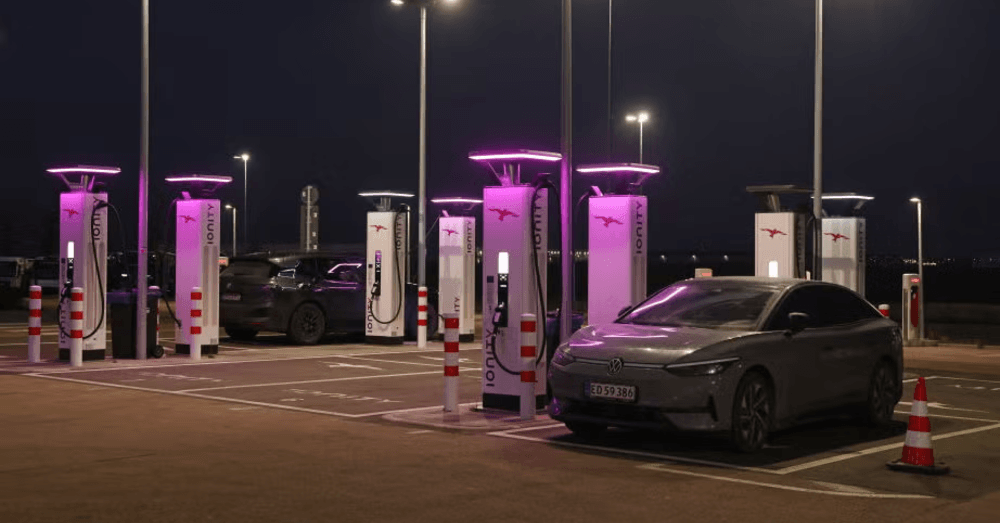
Plenty of drivers are curious about going electric, but two questions keep coming up before they sign anything. Where will I plug in, and will I make it there without stress? Those two worries are doing more to slow EV adoption than almost anything else right now.
- Michigan plans 60 more charging stations over three years after $51 million in federal money was released.
- The state has 5,455 public chargers but wants 100,000 by 2030.
- EV registrations are climbing, yet they remain a small slice of all vehicles on the road.
A Charger Network That Stalled, Then Restarted
Michigan’s plan to build a statewide charging network is moving again after a long pause. A federal judge forced the release of tens of millions of dollars that had been held back for more than a year, and state transportation officials now plan to install 60 more EV charging stations along major travel routes over the next three years. That work follows the release of $51 million from the National Electric Vehicle Infrastructure program.
The money traces back to NEVI, a $7.5 billion federal effort to put publicly accessible chargers along the country’s busiest routes. Michigan was promised $106 million but had collected only half of it, enough for 83 stations, when the funding was blocked early last year. Court fights followed, a judge ruled against the freeze in January, and the dollars finally flowed in April. The new 60 stations will join a broader network of 5,455 public chargers already operating across the state.
The Math Behind the 2030 Goal
Building chargers is expensive and slow. State officials say the federally funded stations have cost an average of $750,000 apiece, with each site usually holding several chargers. To hit Gov. Gretchen Whitmer’s target of 2 million EVs on the road by 2030, the state estimates it needs roughly 100,000 chargers. That means adding about 55 chargers every single day between now and the end of 2030, a pace that shows just how far the network still has to go.
Drivers feel the gap in everyday trips. One Michigan resident who has driven electric for three years said there simply aren’t enough places to plug in, and that even in Detroit and Chicago she sometimes circles four or five parking garages before finding an open charger. That kind of friction is exactly what keeps hesitant buyers on the fence.
Why Range Confidence Matters as Much as Price
Range anxiety, the fear of running out of charge before reaching a plug, is one of the main reasons people stick with gas. Every new charger chips away at that worry, but industry leaders say the bigger picture has gotten more complicated. Shifting federal policy and a softer economy have cooled demand and raised fresh questions about charging reliability.
Several incentives that once nudged people toward electric have disappeared. Congress ended tax credits last year that had shaved thousands of dollars off the price of new and used EVs, and emissions rules that pushed automakers toward more fuel-efficient lineups were loosened. In response, automakers scaled back production plans, canceled or shrank battery factories, and leaned harder into gas and hybrid models. The result is an EV market growing at a slower pace nationwide.
For shoppers browsing cars for sale today, the calculation comes down to confidence. High sticker prices, worries about battery repair costs, and the lingering question of where to charge all weigh on the decision. As one industry advocate put it, consumers ultimately drive this market, and what they want most is affordability.
Where the Numbers Stand Now
The growth is real, just modest. As of early May, Michigan had 103,826 registered EVs and 19,590 plug-in hybrids. Those figures are up 21% and 8% from a year earlier. Still, they represent a tiny fraction of the state’s 8.6 million registered passenger vehicles, a reminder that mass adoption is a long road.
One advocate noted that despite the bumps, the charging network has come a long way and should offer better reliability and dependability in the years ahead than drivers have seen recently.
What Drivers Should Watch Next
If you’re weighing an electric vehicle, keep an eye on charger growth along the routes you actually drive. More stations near home, work, and your regular highways will do more to ease range worries than any spec sheet. The technology keeps improving, prices will keep shifting, and the network is expanding even if it isn’t moving as fast as planners hoped. For now, knowing where you’ll plug in remains the smartest first step before going electric.
Join the Conversation