
The Audi A2 and Its Efficient EV Blueprint
 Evan Simms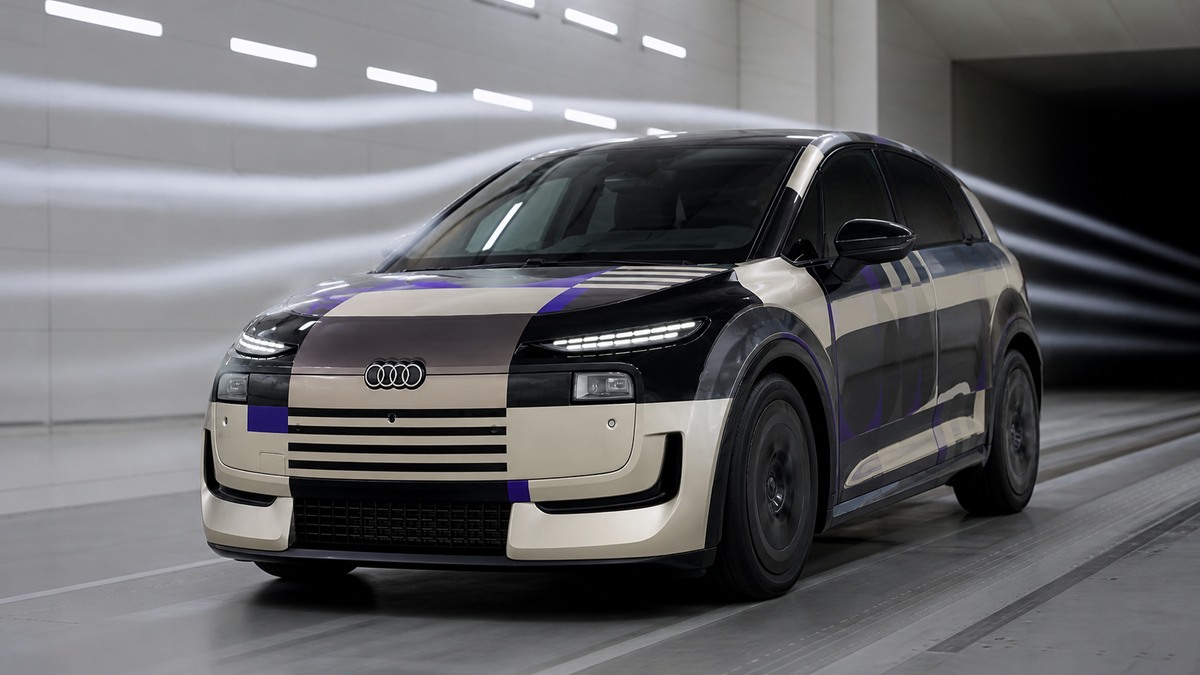
Long before batteries dominated the conversation, Audi proved that a small, clever car could travel a long way on very little. The A2 was the poster child for that idea, and its lightweight, wind-friendly design still reads like a smart plan for an affordable electric car today.
- The Audi A2 was built from 1999 to 2005 around an aluminum space frame that kept weight remarkably low.
- Its most frugal diesel version was one of the first production cars to sip roughly three liters of fuel per 100 kilometers.
- That same recipe of light weight plus slippery aerodynamics is exactly what makes an EV cheaper to build and run.
A Small Car Built to Sip, Not Guzzle
The A2 stood out for what it left off. Audi wrapped it in an aluminum body rather than heavier steel, which trimmed the curb weight to a level most rivals could not touch. Less mass meant the engine had less to move, and that showed up directly at the fuel pump. The thriftiest diesel model became famous for covering about 100 kilometers on close to three liters of fuel, a benchmark that felt almost outlandish at the time.
Audi paired that low weight with careful attention to airflow. The tall, rounded shape looked unusual next to boxier hatchbacks, but every soft edge helped the car slide through the air with less resistance. Low weight and low drag are the two levers that matter most for going far on less energy, and the A2 pulled both of them hard.
Why Light and Slippery Still Wins for EVs
Those same two levers carry straight over to electric cars. A lighter EV needs a smaller, cheaper battery to reach a useful range, and a smaller battery brings down the price of the whole car. Aerodynamics matter even more at highway speed, where pushing air becomes the single biggest drain on the pack. Shave the drag and the miles stretch further without adding a single cell.
That is why the A2 keeps coming up whenever people talk about how to make an EV affordable. The old formula of trimming weight and smoothing the shape is the cheapest path to efficiency there is. You are not paying for exotic materials or a giant battery, just good engineering.
The Case for an Affordable Electric A2
An electric car built on the A2 mindset would aim for value rather than headline numbers. The target would be a modest battery that still delivers enough range for daily driving, a body shaped to cut wind resistance, and a footprint small enough to park anywhere in town. Keep the mass down and the running costs follow, since a lighter car is easier on tires, brakes, and energy alike.
Buyers have been asking for exactly this kind of car. Plenty of drivers do not need three rows or a huge range. They want something easy to live with, cheap to charge, and honest about what it does. A compact, efficient electric hatchback answers that request without asking people to overpay for capability they will rarely use.
What an Efficient A2 Could Mean for Drivers
The lesson of the original A2 is refreshingly simple. Efficiency does not have to come from the most expensive technology on the shelf. It comes from good decisions about weight, shape, and size, made early and stuck with. Any electric car that borrows that discipline stands a real chance of being both cheap to buy and cheap to run, which is the combination most shoppers actually care about. If Audi leans on that heritage, the payoff is a small EV that makes sense on the road and at the checkout.