
Audi Q4 e-tron Sales Crash 93% to Start 2026: What It Means for EV Shoppers
 Evan Simms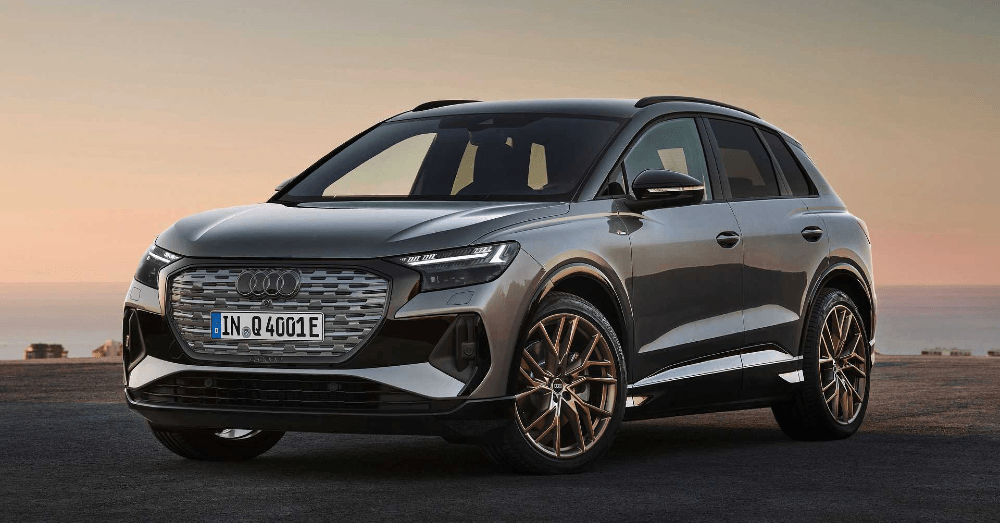
Audi kicked off 2026 with some ugly numbers, and the Q4 e-tron took the worst of it. The compact electric SUV, once the brand’s volume EV, watched its first-quarter sales fall off a cliff, raising real questions about pricing, demand, and what comes next for buyers eyeing one.
- Q4 e-tron Q1 2026 sales dropped 93% to just 90 units in the US
- Audi’s total US sales fell 30% year over year to 29,886 vehicles
- Tariffs, a cooled EV market, and the end of the federal EV tax credit are all pressuring demand
The Numbers Behind the Drop
The scale of the slide is hard to overstate. The Q4 e-tron plunged 93 percent to a sad 90 units, the e-tron GT dropped 75 percent to 63 units, and the Q6 e-tron cratered 90 percent to 309 examples sold. Zoom out, and Audi moved just 29,886 cars in Q1 in the US, down a hefty 30 percent.
Gas models didn’t get a pass either. The Q5 remains the brand’s hero with 10,100 sales, but even that’s down 26 percent. The now retired Q3 dropped 20 percent, while the Q7 slid 30 percent and the Q8 fell 25 percent. According to the Automotive News Research & Data Center, this is the first time in 14 years that Audi failed to sell at least 30,000 cars in one quarter across the US.
Why the Q4 e-tron Specifically Collapsed
Audi hasn’t pointed to one culprit. The brand said only that the “results reflect dynamic conditions and headwinds including overall automotive market decline in Q1 and tariffs.” That phrasing glosses over a lot.
Tariffs on imported vehicles hit the Q4 e-tron hard because it’s built in Germany. Add in the loss of federal EV tax credit support for many shoppers, and the math on a premium German EV got tougher almost overnight. Since the Trump administration put tariffs on imported vehicles and dismantled the federal tax credit that helped Audi, BMW, and Mercedes-Benz sell the battery-electric vehicles they brought to market, it’s been a perfect storm for the German premium brands.
Rivals are also eating Audi’s lunch. BMW sold 1,788 iX units, outselling all six of Audi’s electric SUVs combined at 415 units. Those models are the Q4 e-tron, Q4 Sportback e-tron, Q6 e-tron, Q6 Sportback e-tron, Q8 e-tron, and Q8 Sportback e-tron. The Q8s were discontinued last year.
Is the Q4 e-tron Going Away?
Short answer: not yet. Officially, Audi hasn’t discontinued the Q4, and it’s still available as a 2026 model on the configurator page. That’s meaningful, because the larger Q6 e-tron is in a different spot. Audi BEV sales have been decimated, and the brand has dropped the Q8 and Q8 Sportback e-trons, while the Q6 e-tron will skip the 2026 model year for a 2027 update.
So if you want a Q4 e-tron right now, you can still walk into a showroom and order one. The bigger question is what that means for inventory, pricing, and resale down the road.
What It Means if You’re Shopping
When a model’s sales drop 93%, dealers get nervous. Nervous dealers often get flexible on price. Shoppers who like the Q4 e-tron may find deeper discounts, stronger lease deals, and more willingness to negotiate than they’d have seen a year ago. Audi is already leaning on other levers. Certified pre-owned sales rose 6% in Q1 to 12,820 units, which points to a healthy used-market pipeline and potentially attractive CPO Q4 e-trons coming through.
The flip side is resale. A model with falling demand tends to depreciate faster, so buyers should run the ownership math with realistic residuals. Leasing can sidestep some of that risk. And because federal EV credits aren’t the draw they once were, compare state incentives, charging perks, and total cost over five years rather than fixating on sticker price alone.
Not everything at Audi is bleeding, though. Three Audi sedans posted growth: the new third-generation A5 at 4,372 units in Q1 (up 6%), the new sixth-generation A6 at 2,026 units (up 9%), and the fourth-generation A3 at 2,273 units (up 1%). If you’re flexible on body style, the lineup still has bright spots.
Where the Q4 e-tron Goes From Here
The Q4 e-tron isn’t dead, but it’s clearly wounded. Audi has to stabilize EV performance and shore up its core lineup before the gap widens further in 2026. A new X7-fighter, the Audi Q9, should arrive this year alongside a redesigned Q7, and those additions to the SUV portfolio could push sales in a better direction. For shoppers, the next couple of quarters could be the sweet spot. The car is still on sale, dealers have every reason to deal, and CPO options are growing. Just go in with eyes open about what a 93% sales drop says about demand, and negotiate accordingly.