
Kia’s Electric Van Just Beat Every Range Record While Hauling a Full Load
 Evan Simms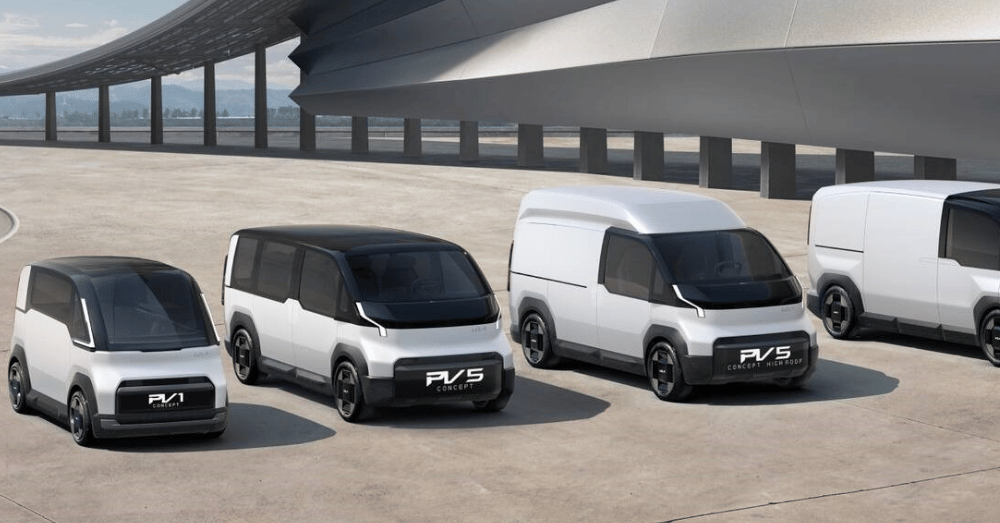
A Kia electric van drove over 430 miles on one charge while carrying maximum cargo. That’s real-world driving with stop signs, traffic, and hills. This changes everything for anyone shopping commercial vans or doubting whether electric can handle serious work.
- The Kia PV5 Cargo traveled 430.84 miles on a single charge while hauling 1,466 pounds of cargo, setting a Guinness World Record for electric vans.
- Two drivers spent 22.5 hours driving through real traffic conditions near Frankfurt, Germany, completing 12 laps of a route with traffic lights, roundabouts, and major elevation changes.
- This achievement crushed the van’s official 258-mile range rating by nearly 173 miles, proving electric vans can handle demanding commercial work without constant charging stops.
The Record Nobody Saw Coming
September 30, 2025 looked like any other day near Frankfurt, Germany. Traffic lights changed, delivery drivers made their rounds, and suburban roads carried their usual mix of cars and trucks. But tucked into that normal flow was a Kia PV5 Cargo van that spent the next 22 and a half hours proving every skeptic wrong about electric commercial vehicles.
Vehicle journalist George Barrow and Hyundai engineer Christopher Nigemeier took turns behind the wheel, coaxing 430.84 miles from the van’s 71.2 kWh battery pack. And they were carrying the maximum allowed payload of 1,466 pounds the entire time. Guinness World Records officials verified everything, from the sealed battery compartment to the cargo weight to the GPS tracking data.
This route wasn’t some gentle highway cruise either. Picture a 36-mile loop that includes everything a delivery driver faces daily. Traffic lights that force complete stops. Roundabouts that kill momentum. Intersections where you’re yielding to other drivers. And 1,213 feet of elevation gain that makes the electric motor work harder with every climb. They drove this loop 12 times before the battery finally gave out.
What Makes This Different From Laboratory Tests
Anyone can get impressive range numbers on a closed test track with perfect conditions. This wasn’t that. Public roads mean dealing with other drivers who brake unexpectedly, traffic signals that catch you at the worst times, and weather conditions that change throughout the day and night.
Kia’s internal testing shows the PV5 loses only 1.5% of range for every 220 pounds of additional cargo. Most vans take a much bigger hit when fully loaded, which makes this efficiency impressive for anyone running commercial operations. This record run validated these numbers under conditions that matter to actual businesses running delivery routes or service calls.
Official WLTP range rating for the PV5 sits at 258 miles. WLTP tests tend to be optimistic anyway, so most buyers expect real-world numbers to fall short. Instead, this van exceeded its rating by 173 miles. That’s like buying a vehicle rated for 300 miles and getting 500 instead.
How Kia Electric Van Stacks Up Against Traditional Commercial Vans
Walk through any airport VIP terminal and you’ll spot a luxury sprinter van shuttling executives between gates and tarmacs. Mercedes-Benz has dominated the commercial van space for decades, setting the standard for everything from delivery fleets to high-end passenger conversions that can cost $150,000 or more.
Electric alternatives are starting to compete in markets Mercedes-Benz has dominated for decades. With its larger 113 kWh battery, the Mercedes eSprinter delivers somewhere between 206 and 273 miles of range depending on who’s testing it. That’s respectable, but Kia’s smaller 71.2 kWh pack just proved it can go farther while carrying a full load. Price matters too. In Europe, the PV5 starts around $38,500, while the eSprinter begins north of $60,000 in U.S. markets.
Ford’s E-Transit tops out around 126 miles of real-world range according to owner reports. Ram’s ProMaster EV hits about 162 miles. Both work fine for urban delivery routes where drivers return to base each night. Neither comes close to what the PV5 just demonstrated.

The Technology Behind 430 Miles
Three things make the PV5’s range possible. First, it’s built on Hyundai’s E-GMP.S platform, which was specifically designed for commercial vehicles. This architecture focuses on efficiency rather than raw power, using every kilowatt-hour as effectively as possible.
Second, the van offers three levels of regenerative braking that drivers can adjust on the fly. This captures energy every time you slow down or coast, feeding it back into the battery. Over 430 miles of driving with constant stops and starts, that recovered energy really adds up.
Third, and maybe most important, the drivers knew how to maximize range without making the van crawl along like a golf cart. Nigemeier brought deep knowledge of the PV5’s powertrain from his work on the development team. Barrow contributed years of experience testing commercial vans and understanding how to squeeze extra miles from any vehicle. Their combined expertise turned what could have been a theoretical exercise into a practical demonstration.
What This Means for Fleet Operations
Businesses running delivery fleets or service vehicles face a straightforward calculation. Diesel fuel costs money every single day. Electric charging costs less, especially when you can charge overnight at your facility. Break-even points depend on how many miles you drive annually and local electricity rates versus fuel prices.
What the PV5 just demonstrated changes the conversation for operations that were hesitant about electric vans. You could run two full delivery shifts on a single charge. Service technicians could handle calls across a wider area without range anxiety. Regional routes that previously required diesel vans become viable with electric.
Kia plans to follow the PV5 with larger models. The PV7 arrives in 2027, and an even bigger PV9 should land by 2029. This creates a complete lineup that matches the variety you’ll find in traditional van offerings from Ford, Ram, and Mercedes.
Kia’s PV5 Electric Van: Should You Wait or Shop Now?
Right now, the PV5 isn’t available in U.S. markets yet, though it’s been spotted testing on American roads. Being manufactured in South Korea means it would face a 25% tariff when imported. Kia will probably launch in Korean and European markets first, then evaluate U.S. sales based on demand and regulatory factors.
For businesses shopping today, this record changes what’s realistic to expect from electric commercial vehicles. If you’re running mainly urban routes under 150 miles daily, current options like the E-Transit or ProMaster EV can work. But if you need serious range with payload capacity, waiting for the PV5 or seeing if competitors respond with improved offerings makes sense.
This record run proved electric vans can handle demanding work without compromise. No special modifications. No gentle driving that would frustrate actual commercial users. Just a production van doing what businesses need vans to do, except with zero emissions and lower operating costs.
Kia’s PV5 just set the bar higher for everyone else in the electric commercial van space. Now we’ll see who can match it.