
BMW Opens Battery Recycling Center That Skips the Energy-Hungry Process
 Daryl Williams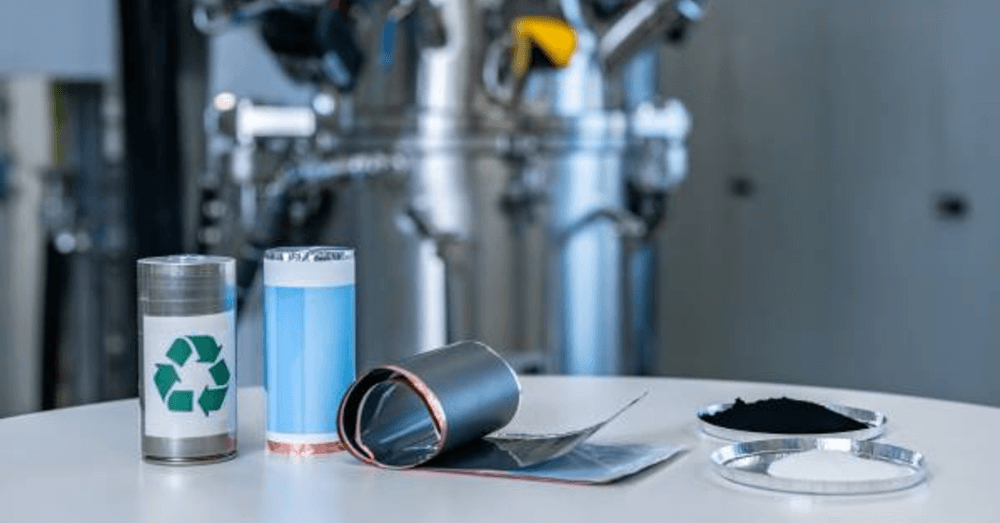
The new BMW battery recycling center in Bavaria will be a huge step forward in recovering and reproducing EV batteries for the brand.
One of the greatest concerns of electric vehicle production is the massive amounts of rare earth materials that must be used to create batteries for these vehicles. As new as the EV world is, finding smart methods of recycling and reusing the materials found in lithium-ion batteries is an important part of moving the automotive industry forward. BMW is building a new facility in partnership with Encroy to create a much lower-energy recycling process to recover necessary materials for future EV batteries.
The Encroy direct recycling process makes a lot of sense
BMW’s new facility in Bavaria teams up with Encory to recycle EV battery materials using mechanical methods instead of chemical breakdowns. The Cell Recycling Competence Center takes production scraps and turns them back into usable raw materials without the massive energy costs traditional recycling requires. This 2,100-square-meter operation near Straubing processes battery waste from BMW’s pilot production lines and sends recovered materials right back into manufacturing, keeping everything local and reducing both emissions and resource waste. The mechanical battery dismantling process allows the raw materials to be more useful, creating a much more sustainable battery production waste process.
This Lower Bavaria recycling facility allows for a circular economy for electric vehicles
The new BMW battery recycling center in Bavaria creates a full circle process for some materials. The center will recycle residual materials from battery cell production, including complete battery cells, allowing manufacturing plants to return valuable raw materials to the process. This could be the biggest step forward in reducing waste in the EV market. By using this EV battery material recovery process in Germany, the entire manufacturing process can be kept local, allowing BMW to utilize EV battery materials several times over, much like metal recycling is done around the world.
The mechanical process is better
When an EV battery is produced, it has to go through several creation processes, but once that battery is made, there’s no reason to break it down to its raw materials and start over. Traditional recycling methods do this through energy-intensive chemical or thermal processes, but a mechanical process changes the game. Instead of breaking items down to their elements, BMW’s process, with the aid of Encroy, allows the materials to remain intact, ensuring they can be reused more easily. This process is much better for the company and the environment because it saves energy and reduces emissions.
“Our direct recycling process puts us at the forefront of the industry. This technology has tremendous potential to optimize battery cell production further.”
– Markus Fallbohmer, SVP of Battery Production at BMW
The Competence Center becomes the hub of the BMW battery recycling center in Bavaria
Encroy will build and operate the Competence Center, which measures around 2,100 square meters, with approximately 350 square meters of office and personnel spaces. Although it’s operated by Encroy, BMW owns the intellectual property for the recycling methods, making this an excellent partnership. Each company holds a 50% stake in this venture, which will have about 20 employees on site. The goal is to recover, recycle, and recondition as many vehicle components as possible for reuse in future vehicles. A huge focus on EV batteries is present, but other vehicle components could also be recycled using a mechanical method, which should reduce the need for so many raw materials.
The BMW battery process
Currently, BMW has battery cell expertise operations in Munich, Parsdorf, and Salching. Battery cells for the next-generation high-voltage batteries are being made in small quantities. The expertise used creates some designs, and the most promising of those are scaled up at the Cell Manufacturing Competence Center (CMCC) in Parsdorf for testing on a pilot production line. If there is any surplus material from a pilot program, it will be sent to the new Cell Recycling Competence Center (CRCC), which is the center we’ve been discussing thus far. That is where the materials will be recycled. It could get confusing with similar names, but the locations help keep things straight.
Recovered materials are used locally at BMW factories, ensuring transport distances are short, which helps avoid energy waste. The three centers allow a circular economy, giving BMW an efficient method of producing and reproducing EV batteries.
The new BMW battery recycling center in Bavaria is a huge step forward for the brand and the automotive industry. Will other automakers utilize similar technology and processes to recycle EV batteries using mechanical methods?